Buttery Homemade Croissants
Highlighted under: Whisked Wonders
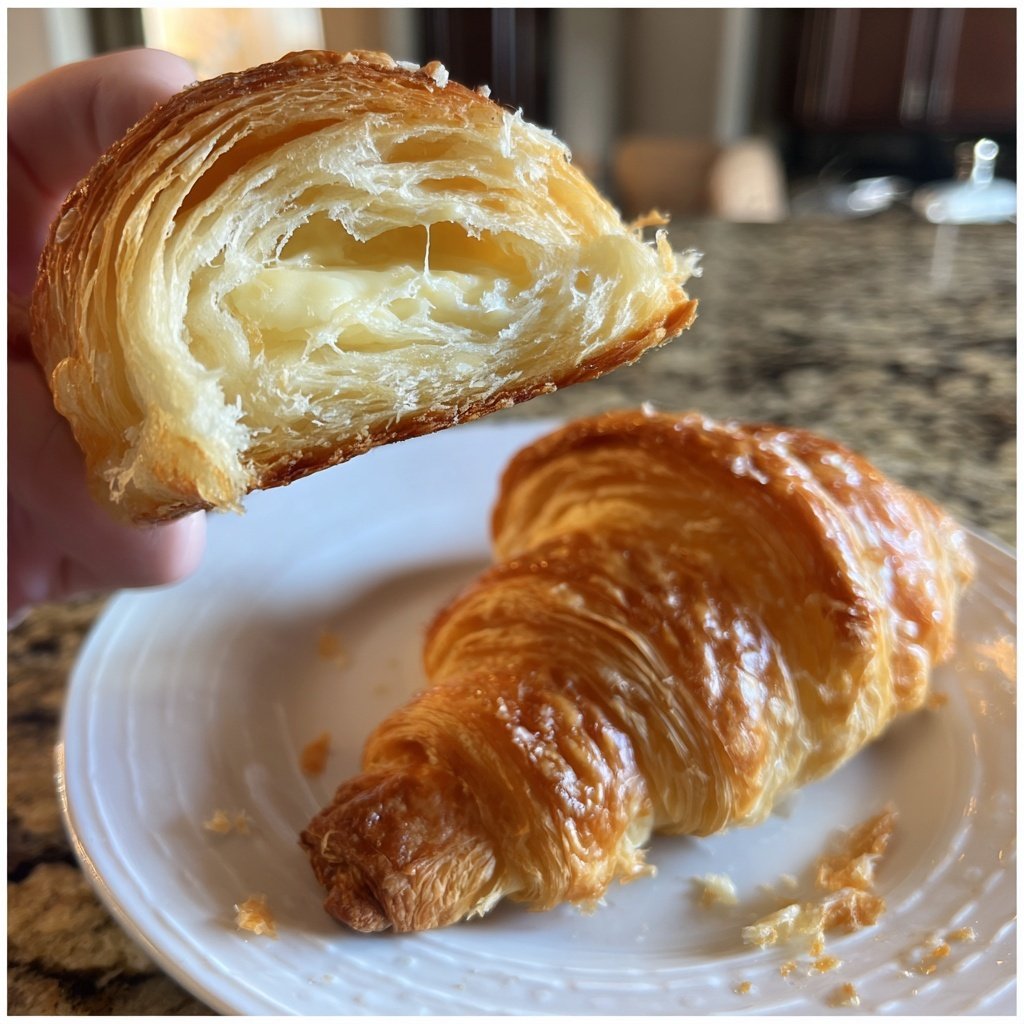
I’ve always been fascinated by the flaky, buttery layers of croissants that melt in your mouth. Making croissants at home may seem daunting, but my experience has taught me the joy of this rewarding process. With a bit of time and patience, you can enjoy the delightful aroma and taste of freshly baked croissants right from your oven. Believe me, every layer is worth the effort, and the satisfaction of creating them yourself is simply unbeatable!
As I embarked on my croissant-making journey, I quickly realized the importance of proper dough lamination. Using cold butter and rolling the dough gently but firmly created those perfect layers we all love. I tried different butter brands too, and found that a high-fat European butter made all the difference in flavor and flakiness!
Another tip I discovered was to allow the dough to rest adequately between folds. This not only helps develop gluten but also gives the butter time to chill, making the dough easier to handle, and results in beautifully airy croissants. The moment I pulled my first batch from the oven, I knew that this process was worth every minute!
Why You'll Love These Croissants
- Flaky layers that offer a satisfying crunch when you bite in
- Rich, buttery flavor that elevates any breakfast or snack
- Homemade goodness that fills your kitchen with an irresistible aroma
The Importance of Properly Laminating
Laminating is the key technique that gives croissants their characteristic flaky layers. When you roll and fold the dough with the cold butter inside, you're creating layers that will puff up when baked. It's crucial to keep everything cold during this process. If the butter starts to melt into the dough, the layers won’t separate properly, leading to dense croissants. Work in a cool environment and chill the butter if needed. Aim for a perfect rectangle each time, as uneven edges can disrupt the layer formation.
During lamination, ensure you roll the dough uniformly to about 1/4 inch thick. This thickness helps the dough achieve optimal rise and flakiness. Each fold and roll should be gentle; pressing too hard might break the layers. When you complete the three turns, your dough should feel slightly elastic but not sticky. I often check for a smooth surface to ensure the butter is evenly distributed, which contributes to a consistent texture and rich flavor when baked.
Choosing the Right Butter
The choice of butter is crucial for achieving croissants with a rich, buttery flavor. Use high-quality unsalted butter to allow you to control the salt content in your dough. European style butter, which has a higher fat content than regular butter, can elevate the taste and flakiness of your croissants significantly. The additional fat melts beautifully during baking, creating those desirable airy pockets that enhance the mouthfeel.
When preparing the butter layer, ensure it's cold and firm. If it becomes too soft while being pounded, chill it again. It's also important that the butter is in a rectangular shape, matching the width of the dough. This alignment ensures seamless folding and proper layering, which is essential for the puff pastry effect. If you find butter seeping out during the rolling process, you may need to gently re-chill everything to maintain that perfect structure.
Storage and Reheating Tips
Once your croissants are baked, let them cool completely before storing. For best flavor and texture, keep them in an airtight container at room temperature for up to two days. If you have extras or want to prepare them in advance, you can freeze unbaked croissants. Simply shape them, place them on a baking tray to freeze individually, and then transfer to a freezer bag for long-term storage. They can last up to a month in the freezer.
To reheat, bake frozen croissants directly from the freezer at 375°F (190°C) for about 15-20 minutes until they are warm and flaky. If you have baked croissants you want to refresh, pop them in a preheated oven at 350°F (175°C) for about 8-10 minutes. This restores their crispness while keeping the inside soft. Enjoying a fresh-tasting croissant at home is a wonderful luxury that these tips can help you maintain!
Ingredients
Gather your ingredients to ensure you have everything ready!
Dough Ingredients
- 4 cups all-purpose flour
- 1 tablespoon sugar
- 2 teaspoons salt
- 1 cup unsalted butter (cold)
- 1 cup whole milk (warm)
- 2 teaspoons active dry yeast
For Egg Wash
- 1 large egg
- 1 tablespoon water
Ensure all ingredients are at the right temperature for the best results!

Instructions
Let's walk through the process step by step to achieve croissant perfection!
Activate the Yeast
In a small bowl, mix warm milk with yeast and let it sit for about 5 minutes until frothy.
Prepare the Dough
In a large bowl, combine flour, sugar, and salt. Add the yeast mixture and mix until a dough forms. Knead for about 5 minutes until smooth.
Chill the Dough
Wrap the dough in plastic and refrigerate for at least 30 minutes.
Prepare the Butter Layer
Take cold butter and pound it into a rectangle, about 1/2 inch thick. Chill if it becomes too soft.
Laminate the Dough
Roll out the dough into a rectangle, place the butter in the center, and fold the dough over it. Roll out and fold again to create layers, repeating this process a total of 3 times.
Shape the Croissants
Roll out the laminated dough into a large rectangle, cut into triangles, and roll each triangle into a crescent shape.
Proof the Croissants
Place the shaped croissants on a baking tray lined with parchment paper and let them rise until doubled in size, about 1-2 hours.
Bake
Preheat the oven to 400°F (200°C). Mix egg and water for the egg wash, brush over the croissants, and bake for 20 minutes until golden brown.
Enjoy your homemade buttery croissants fresh from the oven!
Pro Tips
- Make sure to use cold ingredients throughout the process and work quickly to keep the butter firm for perfect layering.
Troubleshooting Common Issues
If your croissants aren't rising well, it could be due to inactive yeast. Always check the expiry date of your yeast and ensure that your milk is warm, not hot. Ideally, it should be around 110°F (43°C) when mixed with the yeast. A quick test is to see if it becomes foamy within five minutes; if not, it’s time to discard that yeast and start with fresh.
Another issue can arise from overworking the dough, which may lead to tough croissants. If you notice a lot of resistance while rolling, give the dough a short rest for about 10 minutes covered with a kitchen towel. This resting period allows the gluten to relax, making it easier to roll out next time.
Variations You Can Try
While traditional croissants are a delightful treat on their own, you can easily customize them. Consider adding fillings like chocolate, almond paste, or ham and cheese within the triangle before rolling. This adds an exciting twist and can transform a simple breakfast into a gourmet experience.
You can also experiment with whole wheat flour as a partial substitute for the all-purpose flour, which gives a nuttier flavor. However, be mindful of the hydration; you may need to adjust the amount of milk for the right dough consistency, as whole wheat flour absorbs more liquid.
Questions About Recipes
→ Can I make the dough ahead of time?
Yes, you can make the dough and refrigerate it for up to 24 hours before shaping.
→ What type of butter is best for croissants?
European-style butter with a higher fat content is ideal for better flavor and flakiness.
→ How do I store leftover croissants?
Store them in an airtight container at room temperature for up to 2 days or freeze for longer storage.
→ Can I add fillings to my croissants?
Absolutely! Consider adding chocolate, almond paste, or ham and cheese before rolling them up.
Buttery Homemade Croissants
Created by: Katherine Blake
Recipe Type: Whisked Wonders
Skill Level: Intermediate
Final Quantity: 12 croissants
What You'll Need
Dough Ingredients
- 4 cups all-purpose flour
- 1 tablespoon sugar
- 2 teaspoons salt
- 1 cup unsalted butter (cold)
- 1 cup whole milk (warm)
- 2 teaspoons active dry yeast
For Egg Wash
- 1 large egg
- 1 tablespoon water
How-To Steps
In a small bowl, mix warm milk with yeast and let it sit for about 5 minutes until frothy.
In a large bowl, combine flour, sugar, and salt. Add the yeast mixture and mix until a dough forms. Knead for about 5 minutes until smooth.
Wrap the dough in plastic and refrigerate for at least 30 minutes.
Take cold butter and pound it into a rectangle, about 1/2 inch thick. Chill if it becomes too soft.
Roll out the dough into a rectangle, place the butter in the center, and fold the dough over it. Roll out and fold again to create layers, repeating this process a total of 3 times.
Roll out the laminated dough into a large rectangle, cut into triangles, and roll each triangle into a crescent shape.
Place the shaped croissants on a baking tray lined with parchment paper and let them rise until doubled in size, about 1-2 hours.
Preheat the oven to 400°F (200°C). Mix egg and water for the egg wash, brush over the croissants, and bake for 20 minutes until golden brown.
Extra Tips
- Make sure to use cold ingredients throughout the process and work quickly to keep the butter firm for perfect layering.
Nutritional Breakdown (Per Serving)
- Calories: 250 kcal
- Total Fat: 15g
- Saturated Fat: 10g
- Cholesterol: 60mg
- Sodium: 200mg
- Total Carbohydrates: 25g
- Dietary Fiber: 1g
- Sugars: 1g
- Protein: 4g