Baking & Desserts Classic Vanilla Butter Cake
Highlighted under: Whisked Wonders
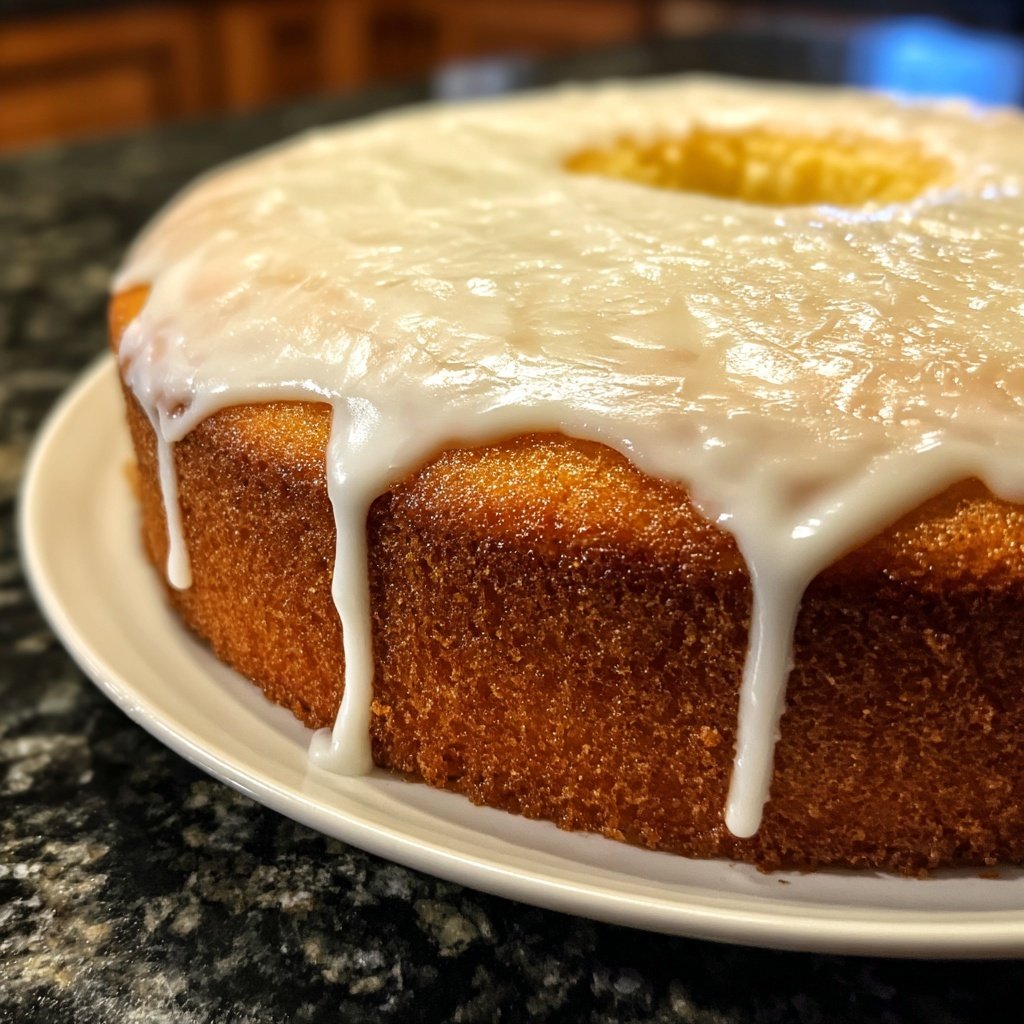
I absolutely love baking, and nothing brings me more joy than a classic vanilla butter cake. This cake is a staple in my kitchen, and its rich, buttery flavor combined with the subtle sweetness makes it a perfect base for so many desserts. Whether it’s for birthdays, celebrations, or just a Sunday treat, this vanilla butter cake never fails to impress. I find the process of creaming butter and sugar to be both therapeutic and rewarding, resulting in a cake that’s fluffy and delicious.
When I first attempted baking this classic vanilla butter cake, I was pleasantly surprised by how simple yet satisfying it was. I remember experimenting with different mixing techniques and eventually found that the creaming method truly brought out the best texture. Incorporating air into the batter while creaming the butter and sugar is key to achieving that light, airy structure everyone loves.
After multiple trials, I discovered that adding a touch of vanilla bean paste instead of just extract brings a wonderful depth of flavor that elevates the cake. It’s a small change, but it makes a huge difference. This cake holds a special place in my heart, and I hope you enjoy it as much as I do!
Why You Will Love This Classic Vanilla Butter Cake
- Incredibly moist and fluffy texture
- Rich vanilla flavor that captivates your palate
- Versatile base for various icing and fillings
Mastering the Creaming Method
The creaming method is a vital technique in baking, particularly for achieving the desired texture in this vanilla butter cake. When you beat the softened butter and sugar together, aim for a light and fluffy consistency, which can take about 5 minutes. This process incorporates air into the batter, yielding a cake that rises beautifully and has a tender crumb. If your butter is too cold, it won’t cream properly, resulting in a dense cake. To fix this, let the butter sit at room temperature until it’s soft but still holds its shape.
Pay attention to your mixing speed when creaming. A medium speed is typically best – it allows for thorough incorporation without overworking the butter. Overmixed butter can lead to a rubbery texture, especially once you add the flour. If you accidentally overmix, don’t despair; you can still salvage the batter. Just be careful to gently fold in the flour and milk, ensuring you don't activate too much gluten.
Key Ingredients and Their Roles
Each ingredient in this classic vanilla butter cake plays a specific role that contributes to its overall flavor and texture. Unsalted butter is preferred for its purity, allowing you to control the saltiness of the batter. The butter not only adds richness but also contributes to the cake's moistness. Be sure to soften it adequately; a microwave can quickly melt it if you're pressed for time, but don’t let it become liquid. Soft butter should be pliable without any melted parts.
The use of whole milk is also crucial. It not only helps to create a tender cake but the fat content enhances the overall flavor and moisture. If you're short on whole milk, you can substitute with 2% milk, but for an even better outcome, consider adding a tablespoon of butter to compensate for the missing fat. Remember, high-fat or non-dairy options might change the texture, but experimentation can lead to delightful results!
Ingredients
Gather these ingredients to bake this delightful cake:
Classic Vanilla Butter Cake Ingredients
- 1 cup unsalted butter, softened
- 2 cups granulated sugar
- 4 large eggs
- 1 tablespoon pure vanilla extract
- 3 cups all-purpose flour
- 1 tablespoon baking powder
- 1/2 teaspoon salt
- 1 cup whole milk
Ensure all ingredients are at room temperature for the best results.
Instructions
Follow these simple steps to make your classic vanilla butter cake:
Preheat and Prepare
Preheat your oven to 350°F (175°C). Grease and flour two 9-inch round cake pans.
Cream the Butter and Sugar
In a large mixing bowl, beat the softened butter and granulated sugar together until light and fluffy, about 5 minutes.
Add Eggs and Vanilla
Add the eggs, one at a time, mixing well after each addition. Stir in the vanilla extract.
Combine Dry Ingredients
In a separate bowl, whisk together the flour, baking powder, and salt.
Mix Dry and Wet Ingredients
Gradually add the dry ingredients to the butter mixture, alternating with the milk, and mix until just combined.
Bake the Cakes
Divide the batter evenly between the prepared pans and smooth the tops. Bake for 30 minutes or until a toothpick comes out clean.
Cool and Serve
Allow the cakes to cool in the pans for 10 minutes before transferring them to a wire rack to cool completely.
Once the cakes are cool, you can frost or serve them as desired.
Pro Tips
- For an even richer flavor, try using browned butter in place of regular softened butter.
Storage Tips for Your Cake
Once your vanilla butter cake has completely cooled, you can store it in an airtight container at room temperature for up to three days. If you'd like to keep it longer, consider freezing the cake. Wrap each layer individually in plastic wrap, then place them in a sealed bag. The cake can be frozen for up to three months and will retain its delicious flavor. When ready to enjoy, thaw the cake overnight in the refrigerator before letting it come to room temperature.
If you’ve frosted your cake, it can still be stored in the fridge for up to a week, but be aware that refrigeration might dry it out slightly. To combat this, use a cake keeper for optimal moisture retention. If you’ve layered it with creamy fillings (like whipped cream or custard), be sure to consume those portions within a couple of days to avoid spoilage.
Serving Suggestions and Variations
This vanilla butter cake is incredibly versatile. You can enjoy it plain, dusted with powdered sugar, or dress it up with your favorite frosting. A light vanilla buttercream complements its flavors beautifully, but for something different, try a tangy cream cheese frosting that provides a delightful contrast. Adding layers of fresh fruit between the cake layers can elevate it further; berries, for instance, add burst and freshness.
For an elegant twist, consider making a lemon or orange-flavored syrup to drizzle over each slice before serving. This adds an extra layer of moisture and a zesty kick that couples wonderfully with the rich vanilla. You can also adapt the flavor by incorporating spices like cinnamon or nutmeg into the batter for a warm, cozy variation.
Questions About Recipes
→ Can I use cake flour instead of all-purpose flour?
Yes, using cake flour will give a finer texture to your cake.
→ How can I make this cake chocolate-flavored?
You can replace 1 cup of flour with 1 cup of cocoa powder for a delicious chocolate version.
→ Can I store the cake overnight?
Absolutely! You can store it in an airtight container at room temperature for up to 2 days or in the fridge for up to a week.
→ What can I use to frost the cake?
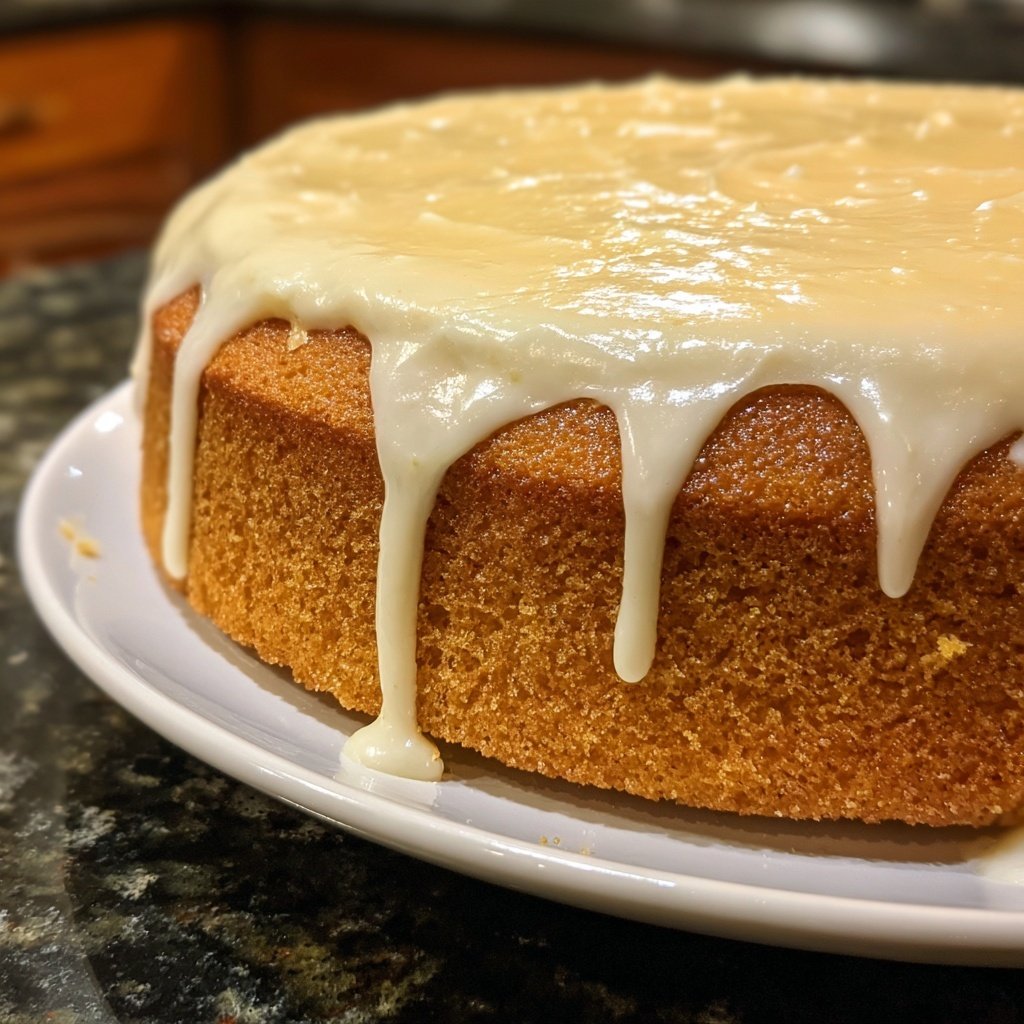
Classic buttercream frosting or cream cheese frosting pairs wonderfully with this vanilla cake.
Baking & Desserts Classic Vanilla Butter Cake
Created by: Katherine Blake
Recipe Type: Whisked Wonders
Skill Level: Beginner
Final Quantity: 8 servings
What You'll Need
Classic Vanilla Butter Cake Ingredients
- 1 cup unsalted butter, softened
- 2 cups granulated sugar
- 4 large eggs
- 1 tablespoon pure vanilla extract
- 3 cups all-purpose flour
- 1 tablespoon baking powder
- 1/2 teaspoon salt
- 1 cup whole milk
How-To Steps
Preheat your oven to 350°F (175°C). Grease and flour two 9-inch round cake pans.
In a large mixing bowl, beat the softened butter and granulated sugar together until light and fluffy, about 5 minutes.
Add the eggs, one at a time, mixing well after each addition. Stir in the vanilla extract.
In a separate bowl, whisk together the flour, baking powder, and salt.
Gradually add the dry ingredients to the butter mixture, alternating with the milk, and mix until just combined.
Divide the batter evenly between the prepared pans and smooth the tops. Bake for 30 minutes or until a toothpick comes out clean.
Allow the cakes to cool in the pans for 10 minutes before transferring them to a wire rack to cool completely.
Extra Tips
- For an even richer flavor, try using browned butter in place of regular softened butter.
Nutritional Breakdown (Per Serving)
- Calories: 400 kcal
- Total Fat: 24g
- Saturated Fat: 14g
- Cholesterol: 160mg
- Sodium: 150mg
- Total Carbohydrates: 46g
- Dietary Fiber: 1g
- Sugars: 30g
- Protein: 4g